





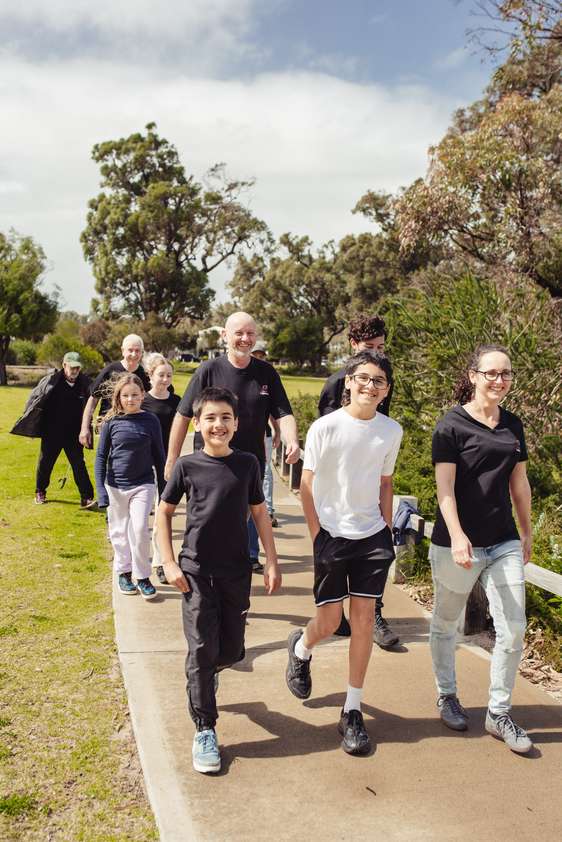
At Peet, we know that belonging to a community takes time. It grows through listening and collaborating with the people who call it home now and into the future.
In collaboration with Creating Communities, our partners in bringing several of our communities to life, we’re taking a closer look at what that process really looks like through a three-part series. In this first edition, we’ve unpacked how a new community grows from an idea into somewhere people feel genuinely connected and included.
The discovery phase
Every community begins with building a thorough and broad base of evidence to inform its future, laying the foundations for both community and economic development.
This early discovery phase goes far beyond planning infrastructure or reviewing data. It’s about building a detailed picture of the people, stories and systems that already exist, from demographic trends and local services to understanding cultural heritage and the natural environment.
Conversations play a critical role in this phase. Engaging with local stakeholders and community members, helps uncover deeper layers of meaning and connection to place.
It’s equally important to understand how people will live day to day. Where are the nearest schools, shops and healthcare services? How will people access them? What employment opportunities exist nearby? These insights help shape not only how a community operates, but how it feels to live there.
Bringing all of this together helps set the key themes of a community and create a clear narrative from the beginning of what the community can become.
Involving residents from day one
A core part of building belonging is showing that a community is shaped by the people who call it home.
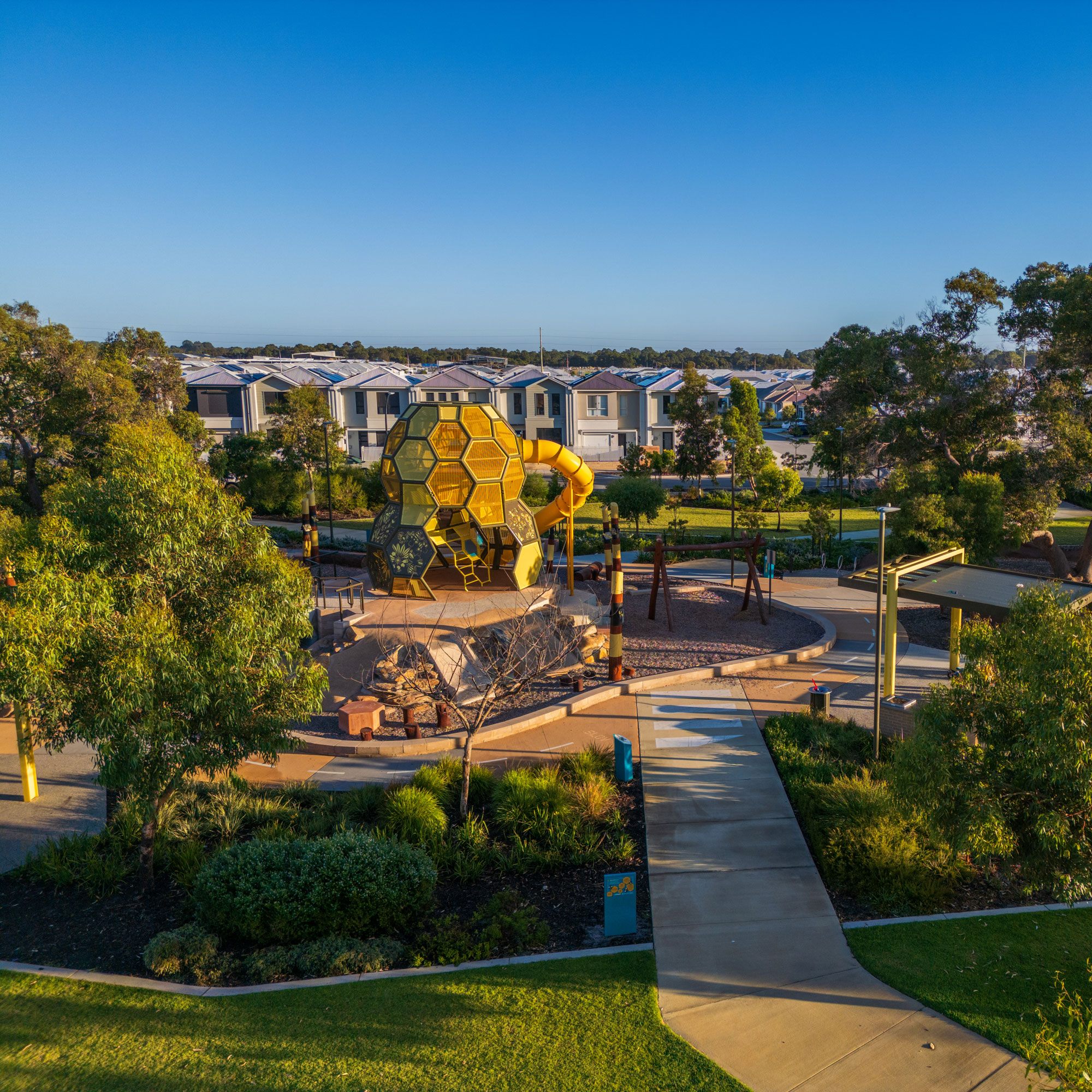
Residents are encouraged to get involved in meaningful ways, from contributing ideas for parks and playgrounds to helping shape community events and initiatives.
Through surveys, workshops and day-to-day interactions, Creating Communities help ensure resident voices are consistently heard. Just as importantly, that feedback is reflected back, showing how it has influenced real decisions.
This is where communities begin to shift. When people see their input shaping parks, programs or local initiatives, they start to feel a sense of ownership.
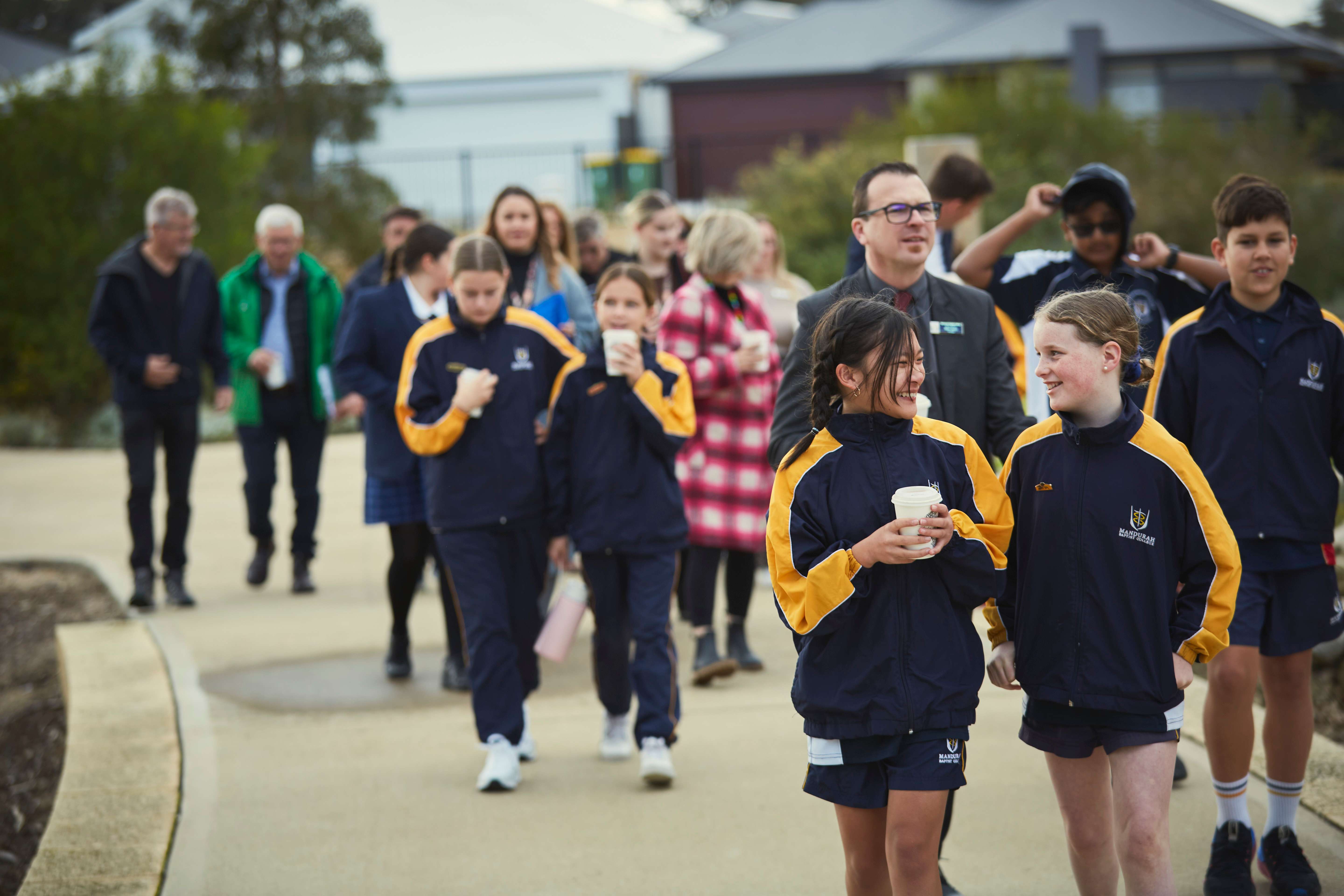
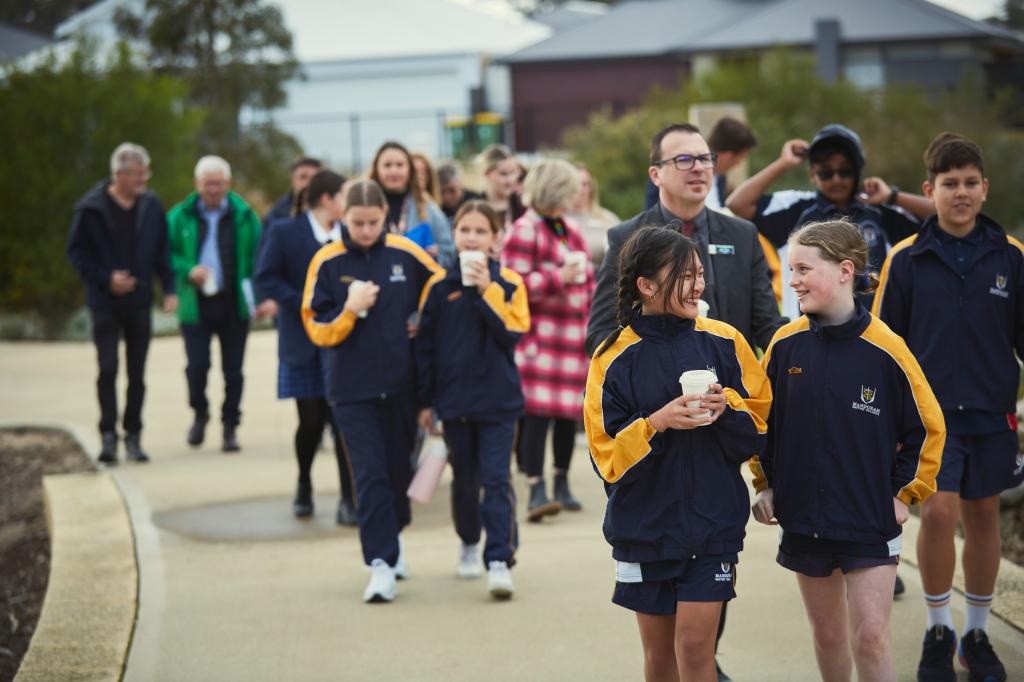
By engaging local schools and seeking ongoing feedback, we ensure we’re creating places and experiences that reflect what the community wants and needs. These shared efforts build confidence, strengthen relationships and foster a sense of ownership over time.
One of the most important parts of building belonging is to keep asking questions on an ongoing basis, continuing to listen and acting on what people say.
At Peet, we see this as a shared process. We’re not simply building a place, we’re working alongside residents and partners to help it adapt and respond to the evolving needs of the community.
Designing for everyday connection
From there, the focus shifts to shaping spaces and experiences that bring people together.
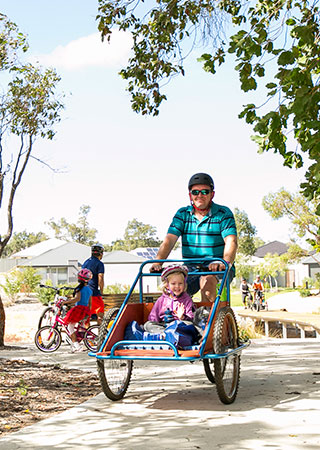
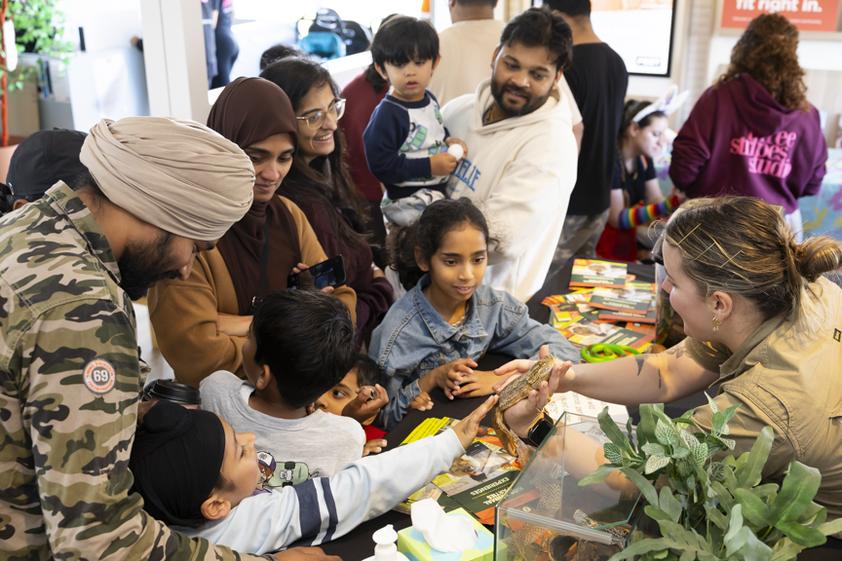
At Peet, this means designing with people in mind and creating environments where everyday interactions can happen naturally, whether in parks, shared spaces or neighbourhood streets.
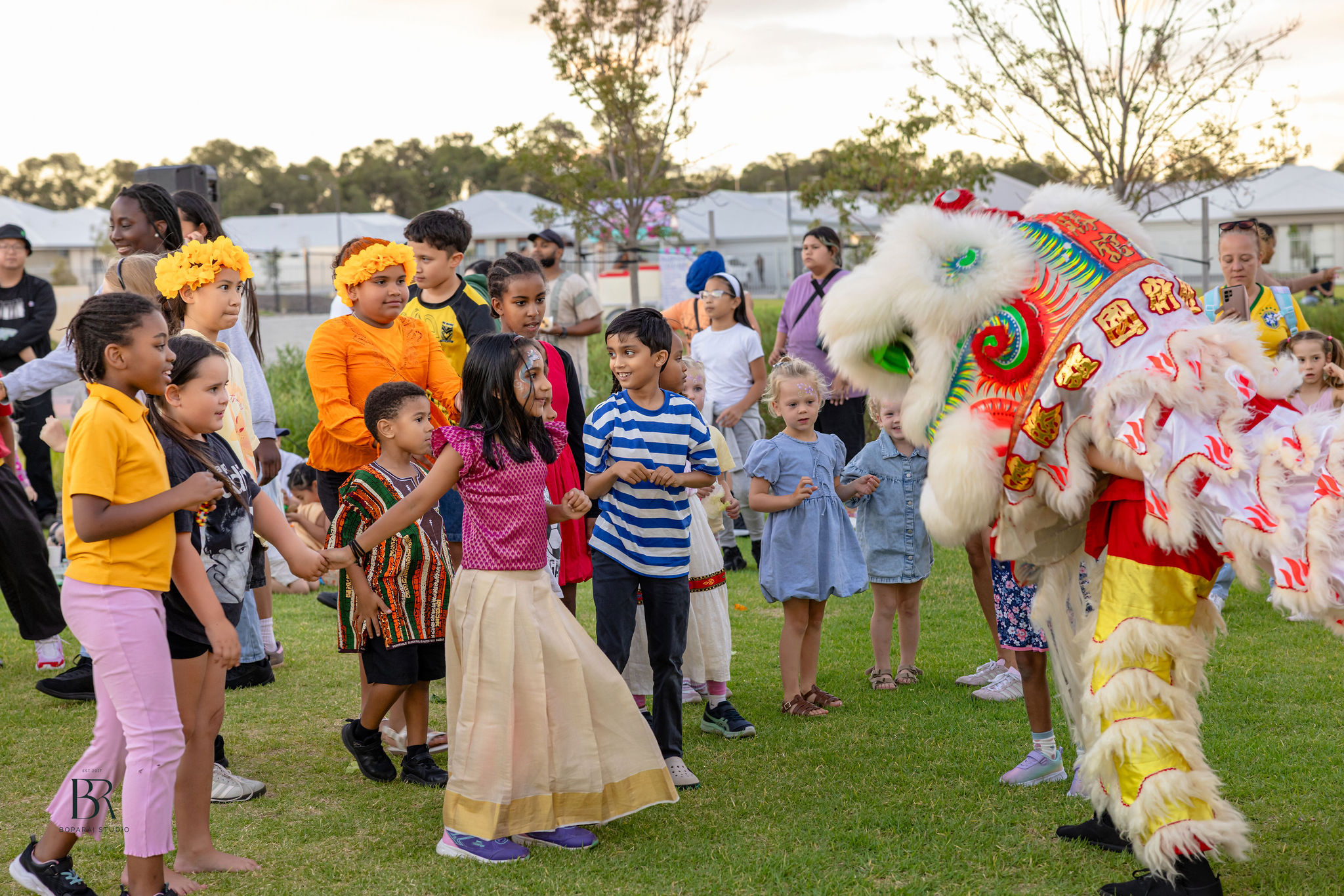
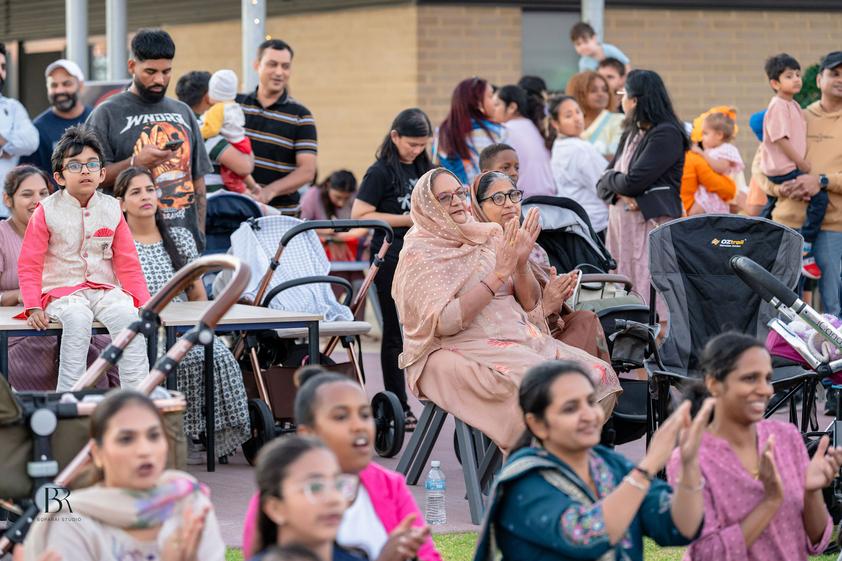
Creating Communities brings this to life through early, practical activation. Welcome events, casual gatherings and small-scale initiatives help neighbours meet from the outset, which is especially important when many people are new to the area and may not yet feel confident reaching out.
These moments might seem simple, but they’re intentional. For many people, building a home comes with change and uncertainty. Creating the right opportunities in safe, welcoming environments helps overcome common barriers like busyness, hesitation or lack of confidence in connecting with others.
How Lakelands built belonging over time
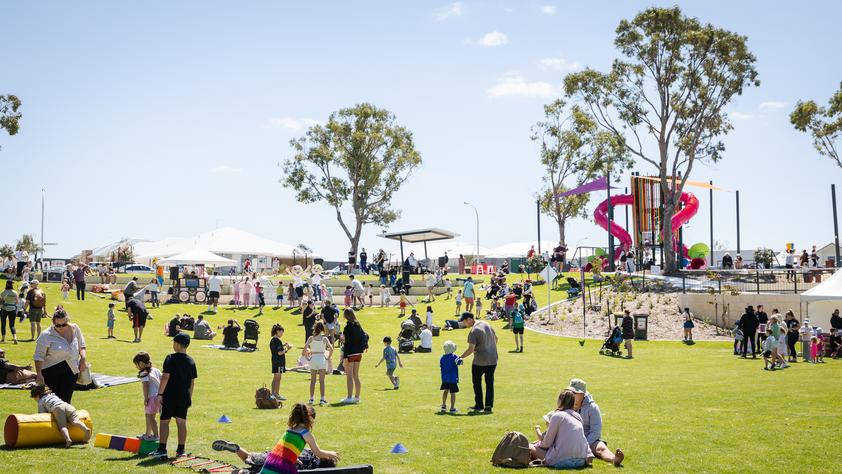
Peet’s Lakelands community in Western Australia is an example of how this approach works in practice.
Through early research led by Creating Communities, two key challenges were identified: the cultural significance of the wetlands, and the estate’s isolation from services and amenities.
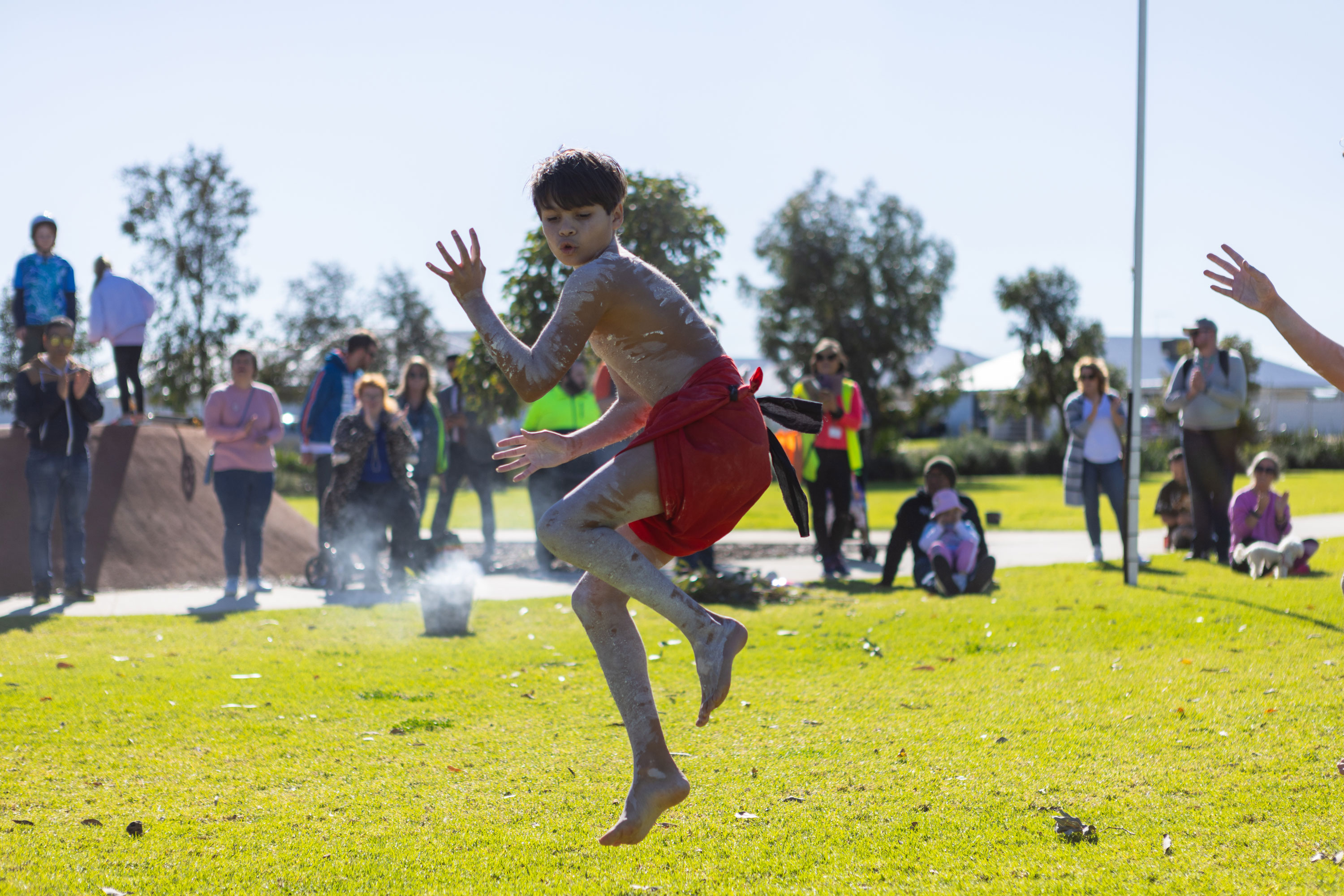
An Aboriginal Reference Group was established to guide how the wetlands were cared for and shared, helping residents connect with the cultural significance of the area in meaningful ways.
At the same time, practical solutions were developed to address isolation, from activating temporary community spaces to supporting the delivery of essential services, including a local school.
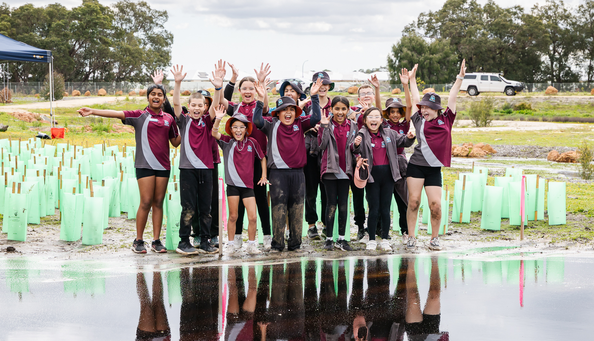
Over time, consistent engagement helped build trust. Initiatives like community events, planting days and stakeholder partnerships weren’t one-offs, they were sustained over years.
That consistency matters, and as Creating Communities often say, success comes from being “persistent and consistent”, and from continuing to show up.
Creating places that last
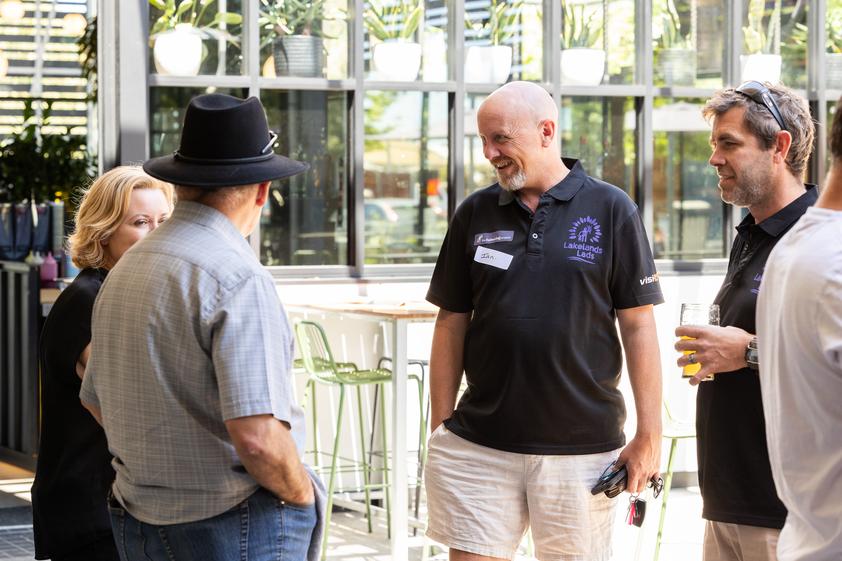
Working alongside Creating Communities reinforces something we’ve long believed at Peet, that belonging is built through partnership with the community.
It takes research and thoughtful design, but more than anything, it takes people, listening to them, involving them, and supporting them to shape what comes next.
Because in the end, a successful community isn’t defined by its streets or homes. It’s defined by how it feels to live there.
When people feel welcomed, respected and connected to something bigger, that’s when a place truly becomes home.
To learn more about Peet’s community impact, including our recognition as a Very Neighbourly Organisation, visit Community Partnerships, and explore Creating Communities to see how we build belonging across Peet communities.